How Not To Load Your Dumpster

Properly loading your roll-off dumpster isn't just about fitting everything in—it's about site safety, regulatory compliance, and cost efficiency. Misloaded containers can lead to weight violations, road hazards, and rejected pickups that delay your project. This guide ensures your waste handling remains industrial-strength and professional.
Common
Loading
Mistakes
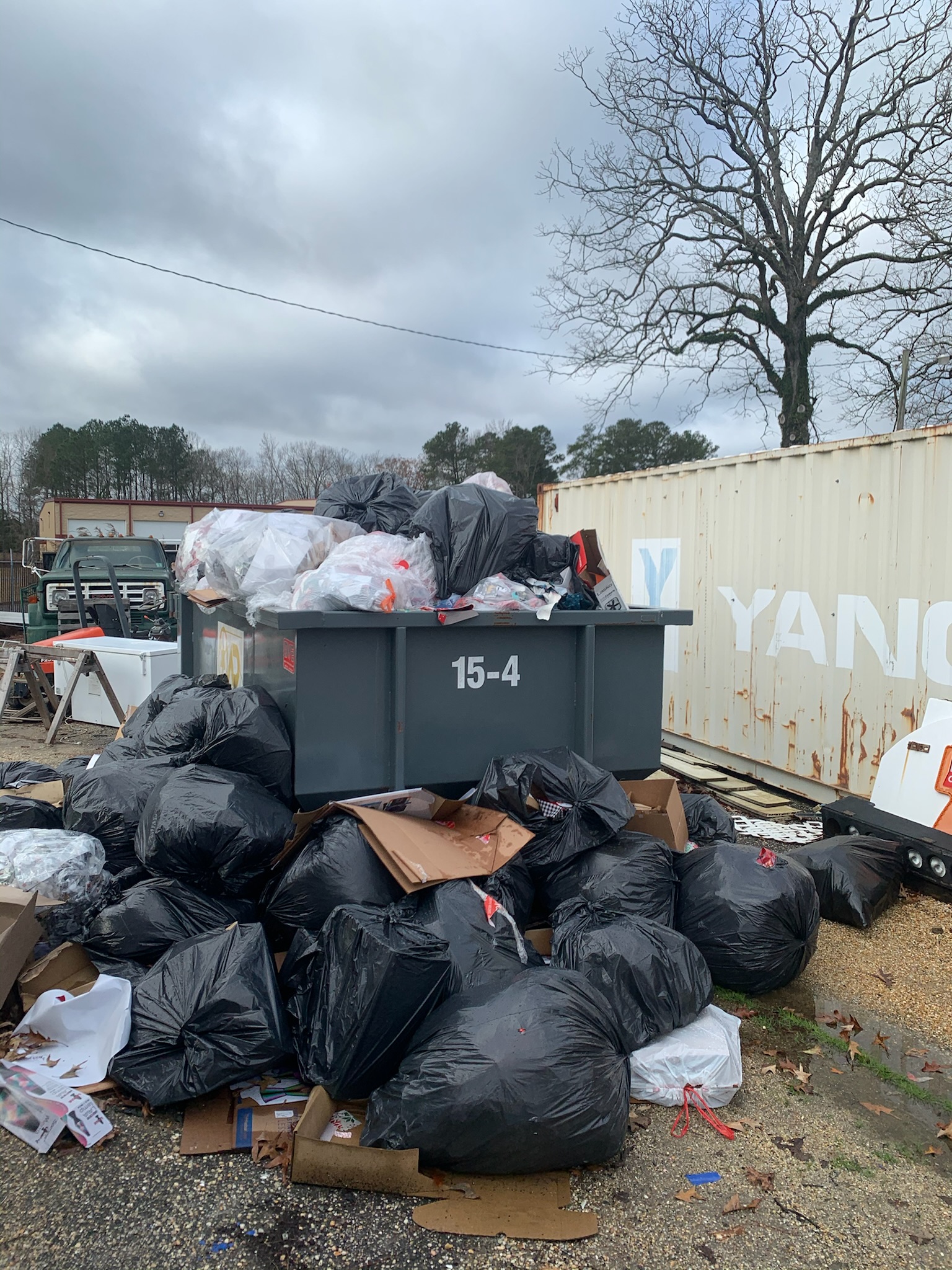
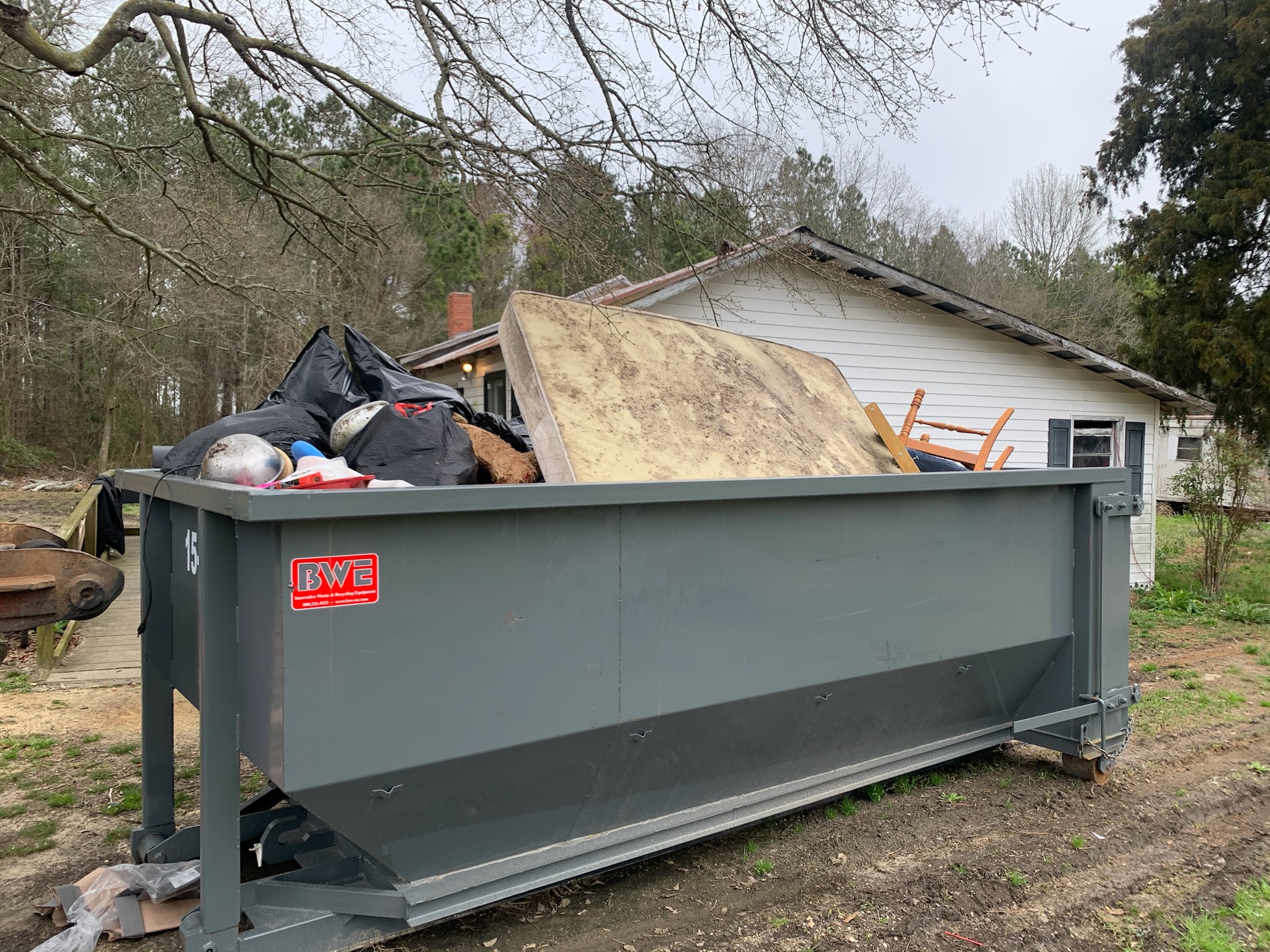
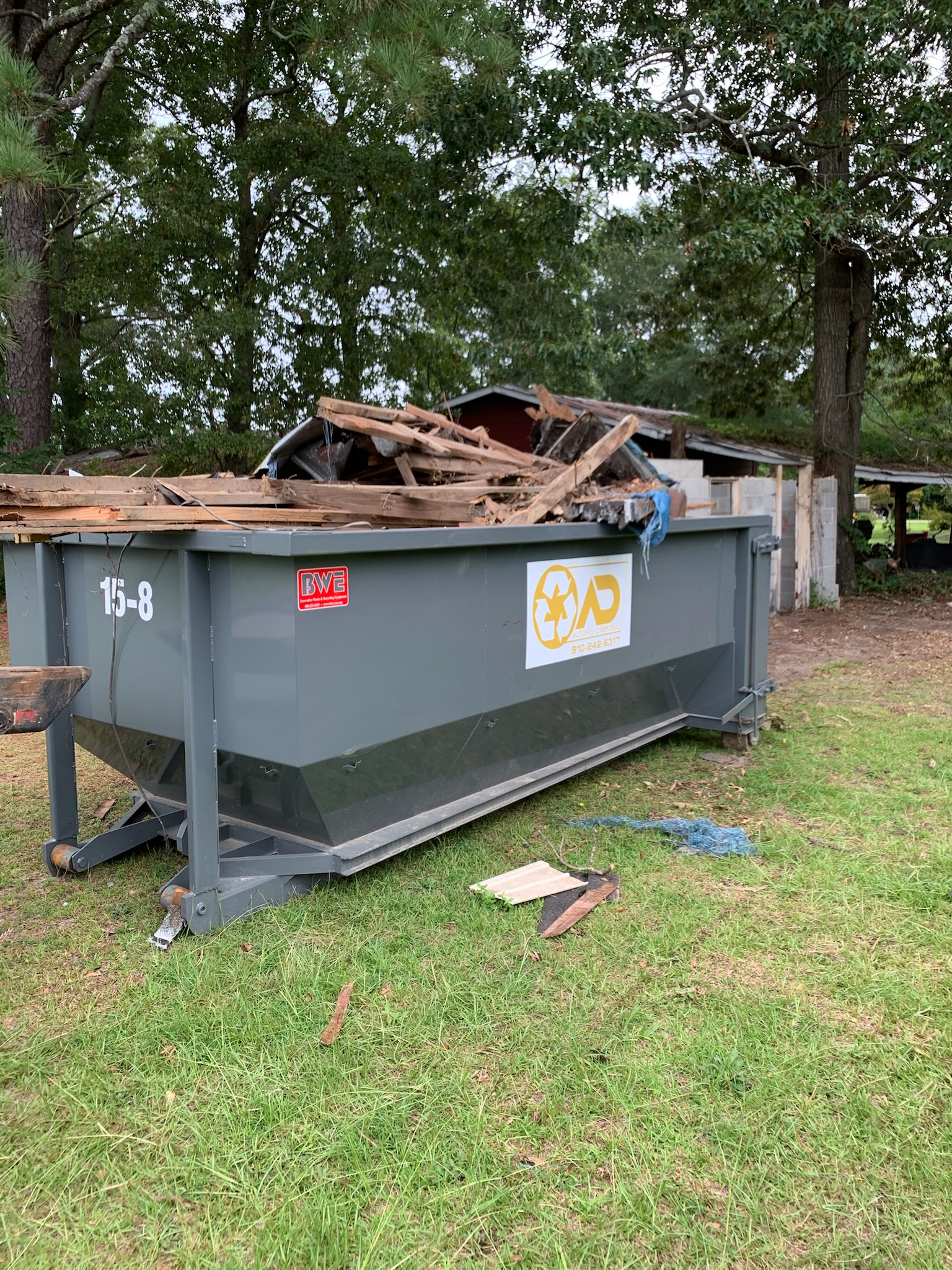
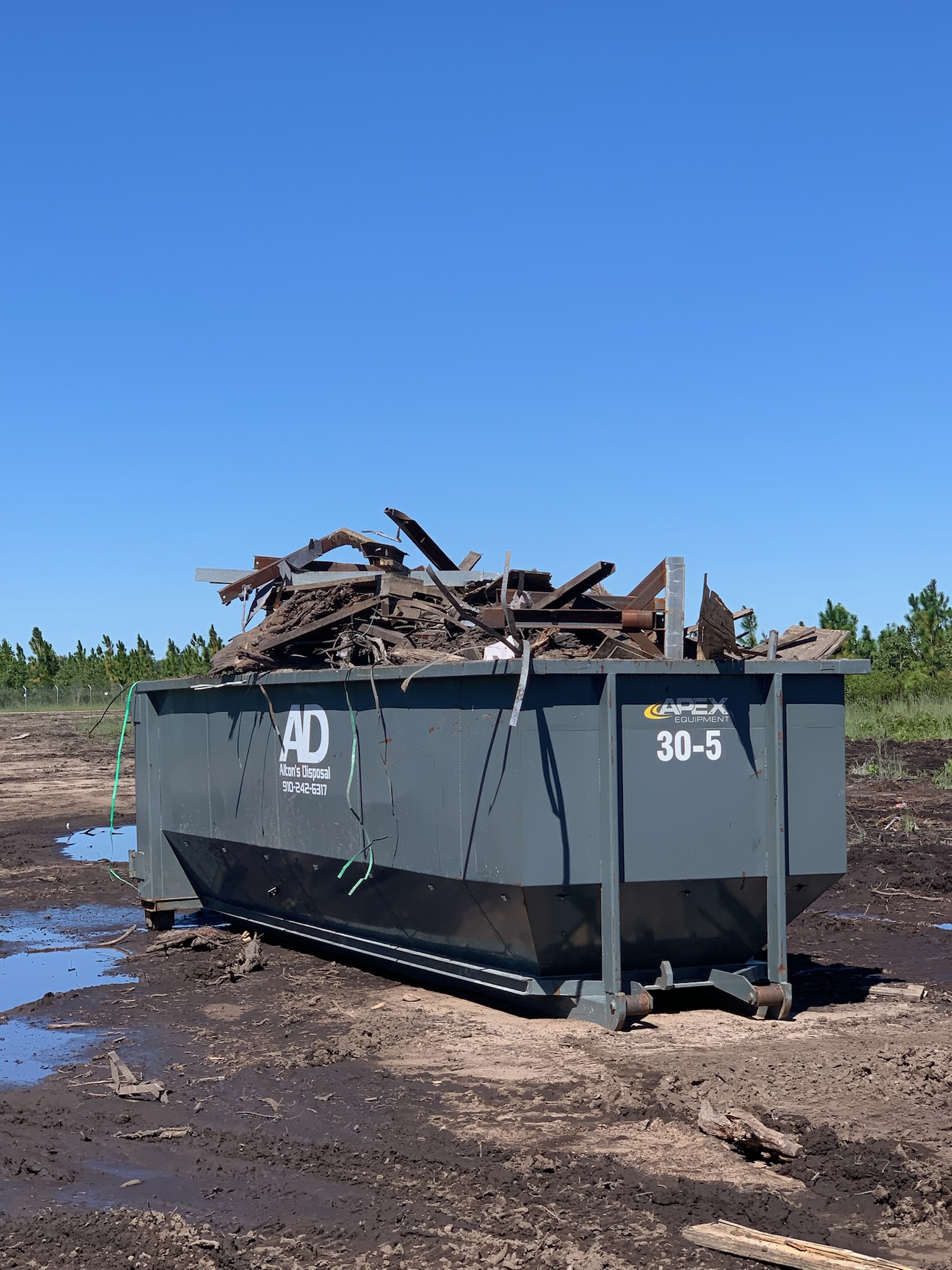
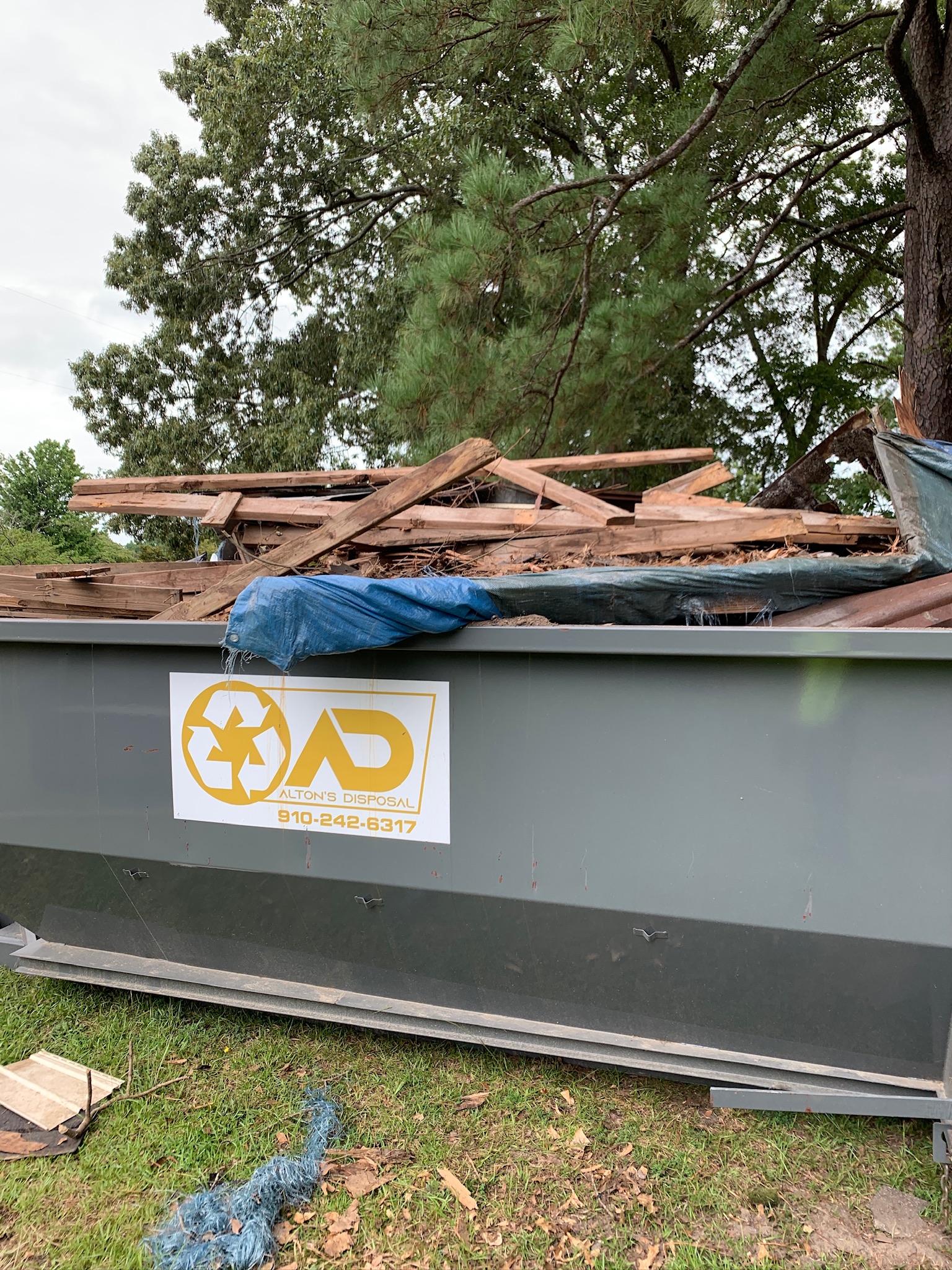
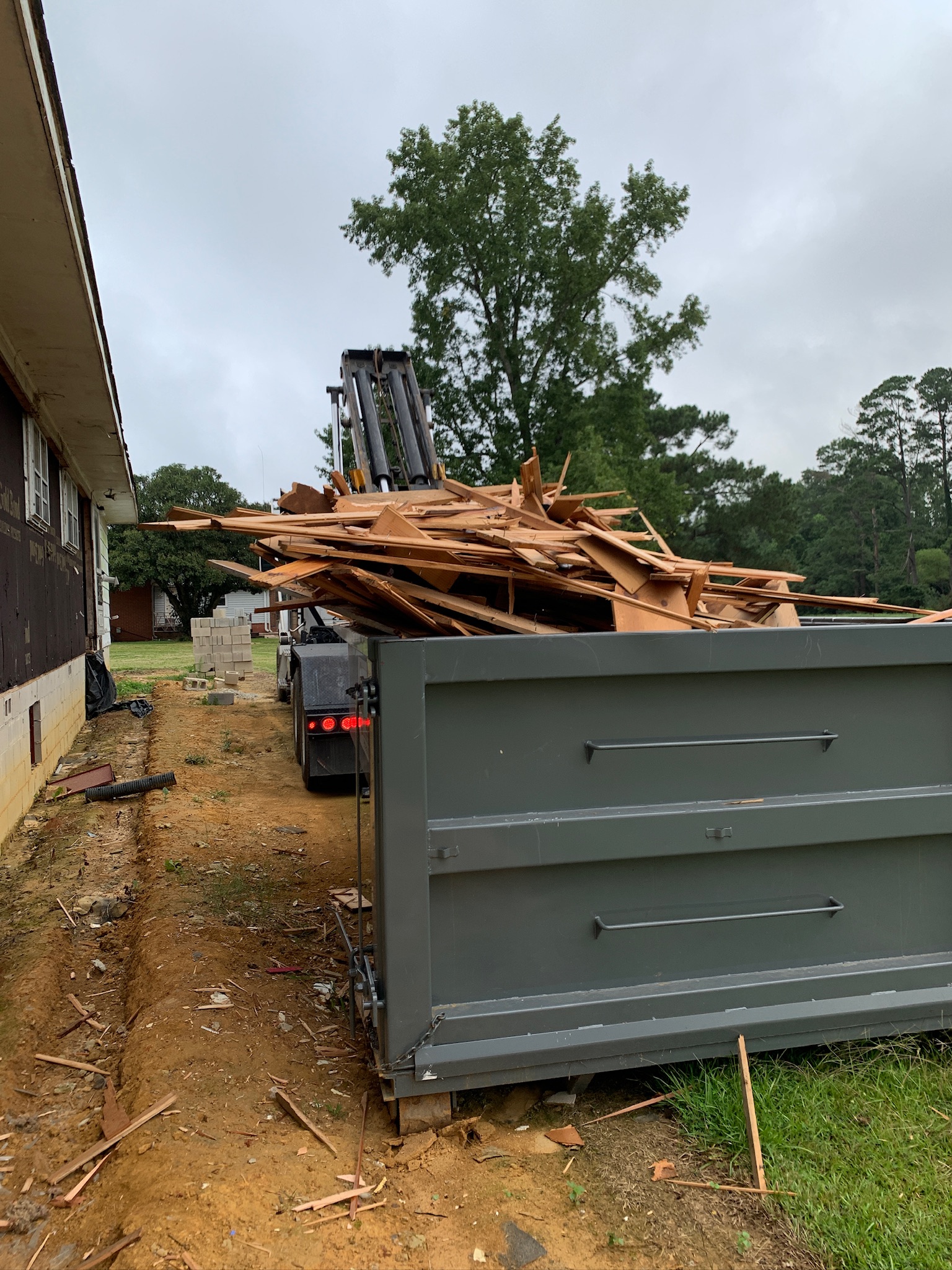
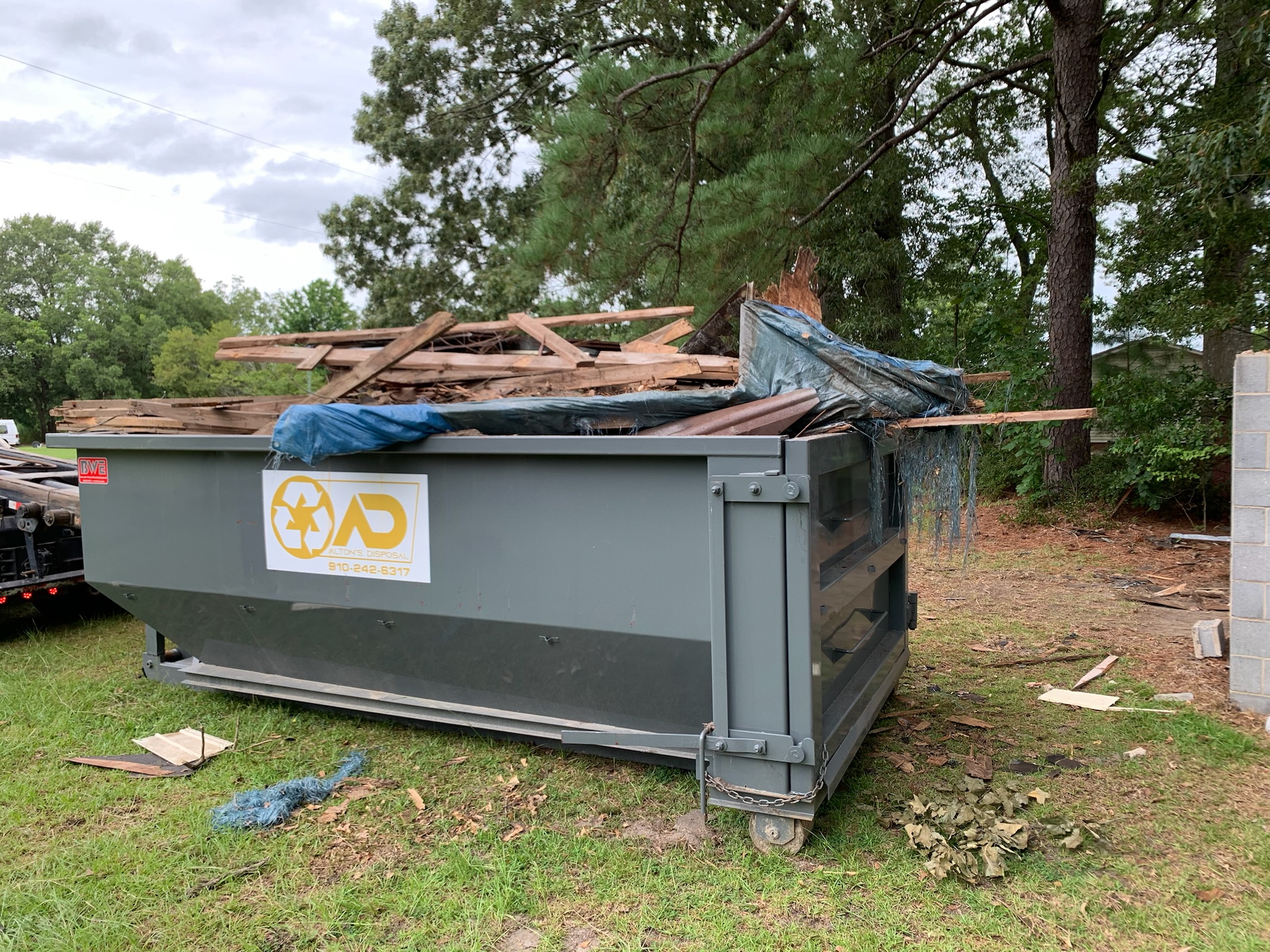
Overfilling the Container
Loading debris past the dumpster's top rim is the most common safety violation. It makes secure tarping impossible and creates a risk of falling debris during transportation. Heavy fines often apply for over-the-rim loads.
Uneven Weight Distribution
Concentrating heavy materials like concrete or rubble in one corner can cause the dumpster to tilt during loading. This instability risks damaging your driveway and can overpower the truck's hydraulic hoist system.
Inclusion of Restricted Waste
Mixing yard waste with construction debris or hiding hazardous liquids, batteries, and tires in the middle of a load is a major error. We will not be able to pickup a dumpster of this sort. By ordering a dumpster, you will be expected to understand what items are prohibited.
Obstructing Gate Operations
Failing to leave enough internal space for the rear doors to swing shut and latch is a critical logistical error. We cannot legally transport any dumpster unless the rear gate is completely flush and secured.

Prohibited Materials
For the safety of our team and the environment, the following items are strictly prohibited from being loaded into any dumpster rental. Failure to comply may result in removal delays or site fines.
-
Appliances
-
Electronics
-
Tires
-
Oyster Shells
-
Antifreeze
-
Motor Oil
-
Lead Acid Batteries
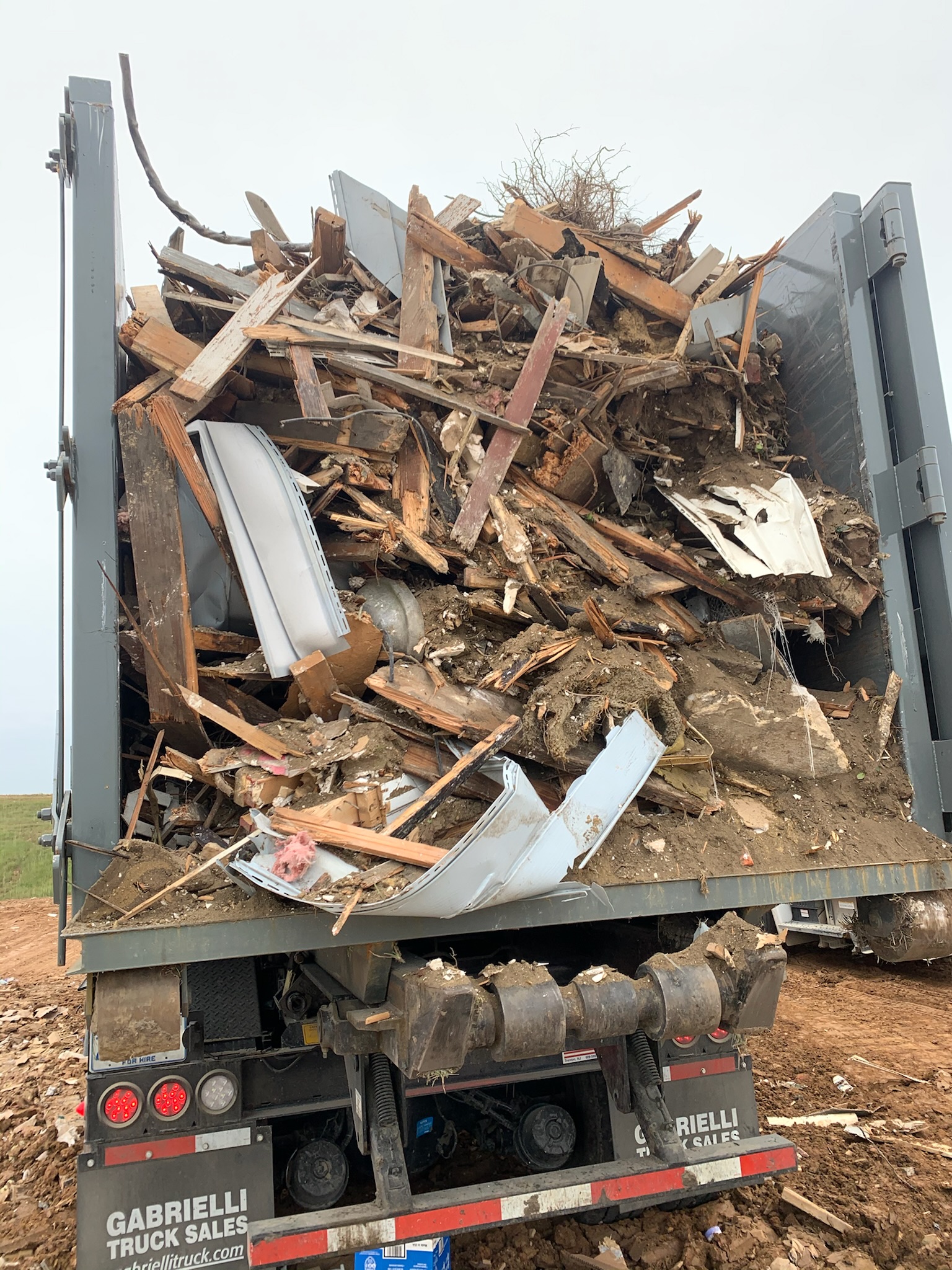
Examples of How Not to Load Your Dumpster



Safe Loading Practices
Properly loading your dumpster is essential for on-site safety and legal transport. Following these technical guidelines ensures your project stays compliant and your costs stay predictable.

Distribute Weight Evenly
Place heavy debris at the bottom and distribute the weight across the entire floor of the bin to prevent stress on hydraulic equipment during hauling.

Keep Content Level
Ensure all materials are level with the top rail of the container. Protruding items are a major road safety hazard and may lead to a rejected pickup.

Avoid Overfilling
Never load debris past the top of the container. Our trucks must be able to pull a safe tarp over the load for secure highway transport.

Break Down Large Items
Flatten cardboard and break down furniture or large debris. This prevents air pockets that waste capacity and allows for a more secure, level load.

Clear Truck Access
Keep at least 60 feet of lateral clearance and 18 feet of vertical clearance for our trucks to safely maneuver, drop off, and retrieve your unit.

Use the Walk-in Door
Utilize the walk-in door for heavy objects to avoid lifting injuries and more efficiently pack foundation layers to minimize air space and shifting.